
Caring for an aging parent? CareMapAI helps you make sense of it.
Learn more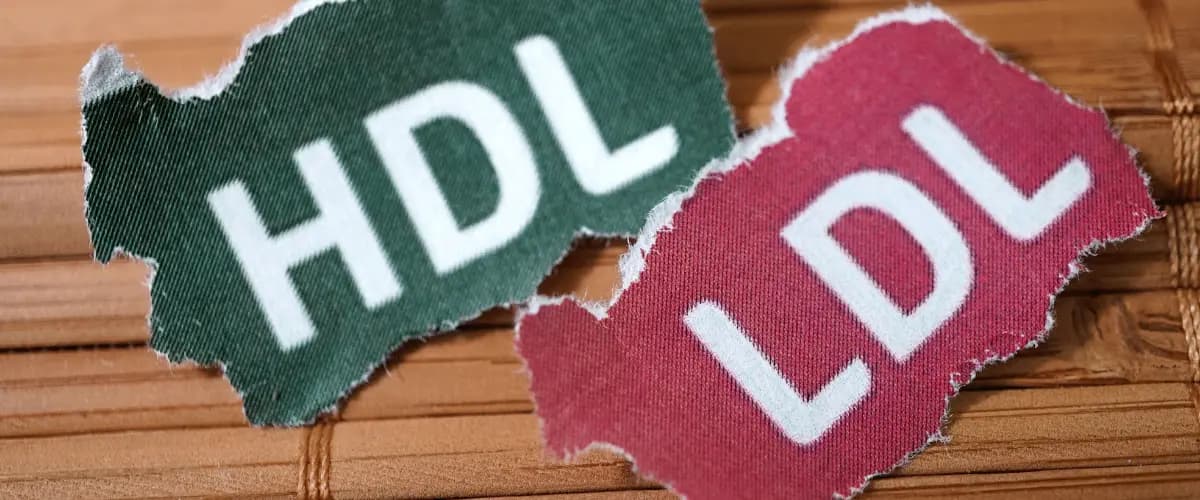
What Is a Cholesterol Test and What Does it Involve?
What Is a Cholesterol Test and What Does it Involve?
A cholesterol test, also called a lipid panel, checks the levels of different fats in your blood. These fats are important for your body to work properly, but having too much or too little can lead to health problems
The test looks at fats like total cholesterol, triglycerides, LDL, and HDL. Each of these plays a specific role in keeping your body healthy and maintaining your energy balance. The main goal of the test is to assess your risk of heart disease, stroke, and other cardiovascular conditions. It helps your doctor determine if you need to make lifestyle changes or start treatment to manage your cholesterol levels.
Who Should Get a Cholesterol Test?
You can get a cholesterol test anytime, but how often you need it usually depends on your age and health. For people over 65, it’s recommended to check cholesterol levels once a year. If your initial results show high cholesterol, you may need to get tested more often. You should also consider getting your cholesterol checked if:
- You have diabetes.
- You smoke.
- You have a family history of heart disease.
- You are overweight or don’t follow a healthy lifestyle (like not exercising or eating unhealthy foods).
What Does Cholesterol Test Measure?
A complete cholesterol test evaluates four types of fats in your blood. Here is a breakdown of the importance and risks of each of them.
1. Total Cholesterol:
This measures the total amount of cholesterol in your blood, including both good (HDL) and bad (LDL) cholesterol. Higher levels of total cholesterol may indicate an increased risk of heart disease.
2. Low-density lipoprotein (LDL) Cholesterol:
LDL’s main role is to carry cholesterol to different parts of your body, including the liver and cells, where it’s used to build cell walls and produce hormones. However, it’s called "bad cholesterol" for a reason. Too much LDL in your blood can deposit excess cholesterol in your arteries, leading to plaque buildup. Over time, this can block blood flow and increase the risk of heart attacks or strokes.
3. High-density lipoprotein (HDL) Cholesterol:
You can think of HDL as a clean-up crew that takes care of the traces left by LDL. The right amount of HDL helps keep LDL levels in check, reducing the risk of heart disease. However, having too little HDL increases the risk, and surprisingly, having too much can also be harmful. Excess HDL doesn’t always mean better protection—it can sometimes work against your body and lead to inflammation.
4. Triglycerides:
Triglycerides are fats your body creates when you consume more calories than you burn. They are stored in fat cells to provide energy when needed. High triglyceride levels are often linked to excess weight, poor diet, lack of physical activity, or conditions like diabetes. Elevated triglycerides can increase the risk of heart disease and other cardiovascular issues.
Does the Cholesterol Test Require Fasting?
According to the European Heart Journal
:
Non-fasting cholesterol tests give results that are very similar to fasting tests. For most people, eating before the test causes only small changes, like a slight increase in triglycerides or a small drop in LDL cholesterol. These differences don’t have much impact on checking your heart health or deciding on treatment. That’s why both fasting and non-fasting tests are equally good at predicting heart disease risk.
Fasting will be required if;
Your non-fasting test shows very high triglycerides (above 5 mmol/L or 440 mg/dL). In that case, your doctor will ask you to fast to confirm the test results.
How Cholesterol Test is Done?
A cholesterol test is a simple blood test. A doctor will take a small sample of blood, usually from a vein in your arm. Sometimes, a finger prick is used instead to collect a smaller sample, which can be tested right away with a special device. The blood is then sent to a lab to check your total cholesterol, LDL (bad cholesterol), HDL (good cholesterol), and triglycerides.
Is Cholesterol Test Covered by OHIP?
OHIP covers all the tests that are deemed medically necessary, including cholesterol tests. Some conditions that apply are;
- Tests must be mandatory for diagnosis or treatment.
- A doctor or nurse practitioner must order the test.
- It must be done at an approved location like a hospital or community lab.
If you get a cholesterol test on your own it likely won’t be covered. Check with your doctor or insurance provider to confirm what's included.
Wrapping Up:
If you’re over 60, getting your cholesterol levels checked every year is really important. And if you already have heart disease or conditions like diabetes or high blood pressure, your doctor may ask you to test more often. These regular checks help your doctor keep track of your heart health and make any changes to your treatment plan if needed. It’s a simple step that can go a long way in helping you stay healthy and active.
FAQ's
1. How do I check my cholesterol at home?
To check your cholesterol at home, you’ll need a cholesterol test kit. Start by pricking your finger with the lancet provided in the kit, then place a drop of blood onto the test strip. The test strip contains chemicals that react with your blood and change color. You can read the results by comparing the color of the strip to the guide provided in the kit. For more accurate and reliable results, it’s a good idea to cross-check them with your doctor.
2. What is a good cholesterol level for seniors?
In Canada, cholesterol levels are measured in millimoles per liter (mmol/L). For adults, including seniors, desirable levels are generally:
- Total Cholesterol: Less than 5.2 millimoles per litre (mmol/L)
- LDL (Bad) Cholesterol: Less than 2.0 mmol/L
- HDL (Good) Cholesterol) 1.3 mmol/L or higher for women; 1.0 mmol/L or higher for men
3. What reduces cholesterol quickly?
Cholesterol levels cannot be reduced quickly or in a jiffy. Lowering cholesterol levels requires a multifaceted approach, such as:
- Diet: Reducing saturated fats and eliminating trans fats can lower LDL cholesterol. Incorporating soluble fiber-rich foods like oats, fruits, and legumes can also help.
- Exercise: Engaging in at least 150 minutes of moderate-intensity exercise per week can improve cholesterol levels.
- Weight Management: Losing excess weight can positively impact cholesterol levels.
- Smoking Cessation: Quitting smoking can improve HDL cholesterol.
4. Can I live a long life with high cholesterol?
Life expectancy with high cholesterol depends on lifestyle factors, including the diet you eat. High levels of cholesterol are harmful and increase the chances of many serious health complications, compromising your quality of life and life expectancy. However, you can live a long life if you follow the precautionary measures advised by your doctor.
If preparing questions and medication details for a cholesterol appointment would help, CareMapAI's Clinic Visit Prep Sheet lets you organize observations, concerns, questions, and current medications into a summary sheet to bring to doctor or memory clinic appointments.
Related articles
Bruising in Elderly: Causes, Prevention & When to Worry
Bruising in elderly adults is common. As skin ages, it becomes thinner and more fragile.

How Does a Stroke Affect Your Communication?
After a stroke, many people face challenges with communication. This is often caused by reduced blood supply to the left side of the brain.

How Can Allergies Affect Your Ears? A Look at Common Triggers
When we think about allergies, we usually picture a runny nose, itchy eyes, and maybe a box of tissues close at hand.
Caring for an aging parent? You don't have to hold it all in your head.
Answer a few questions and get a clear picture of what needs attention, what to do next, and how to share the load.